
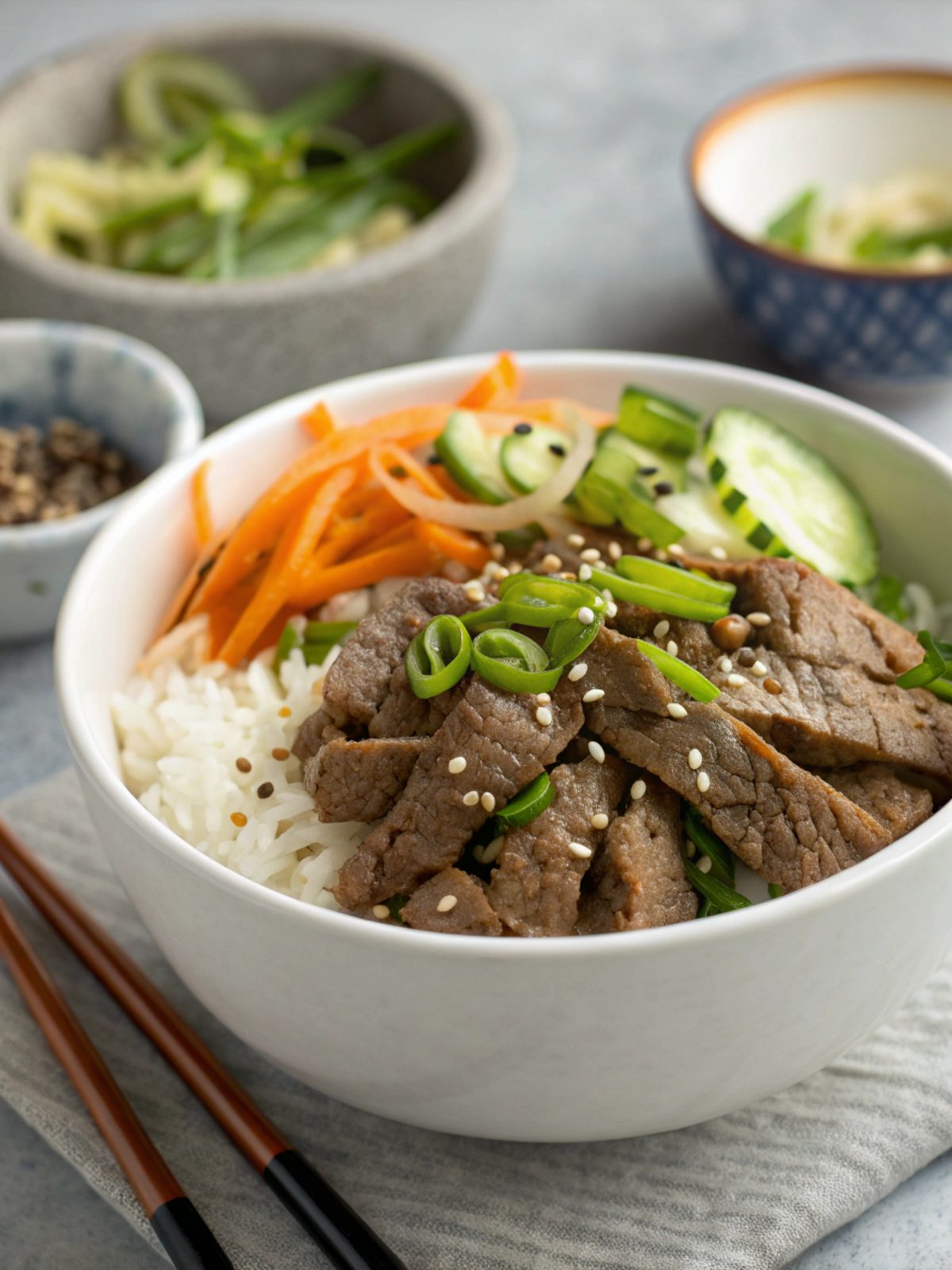
Are you ready to dive into the savory depths of Korean cuisine? Look no further than our delicious and satisfying Korean Beef Bowl. Bursting with vibrant flavors and wholesome ingredients, this dish is the perfect choice for a hearty meal that’s easy to prepare and sure to impress.
Ingredients
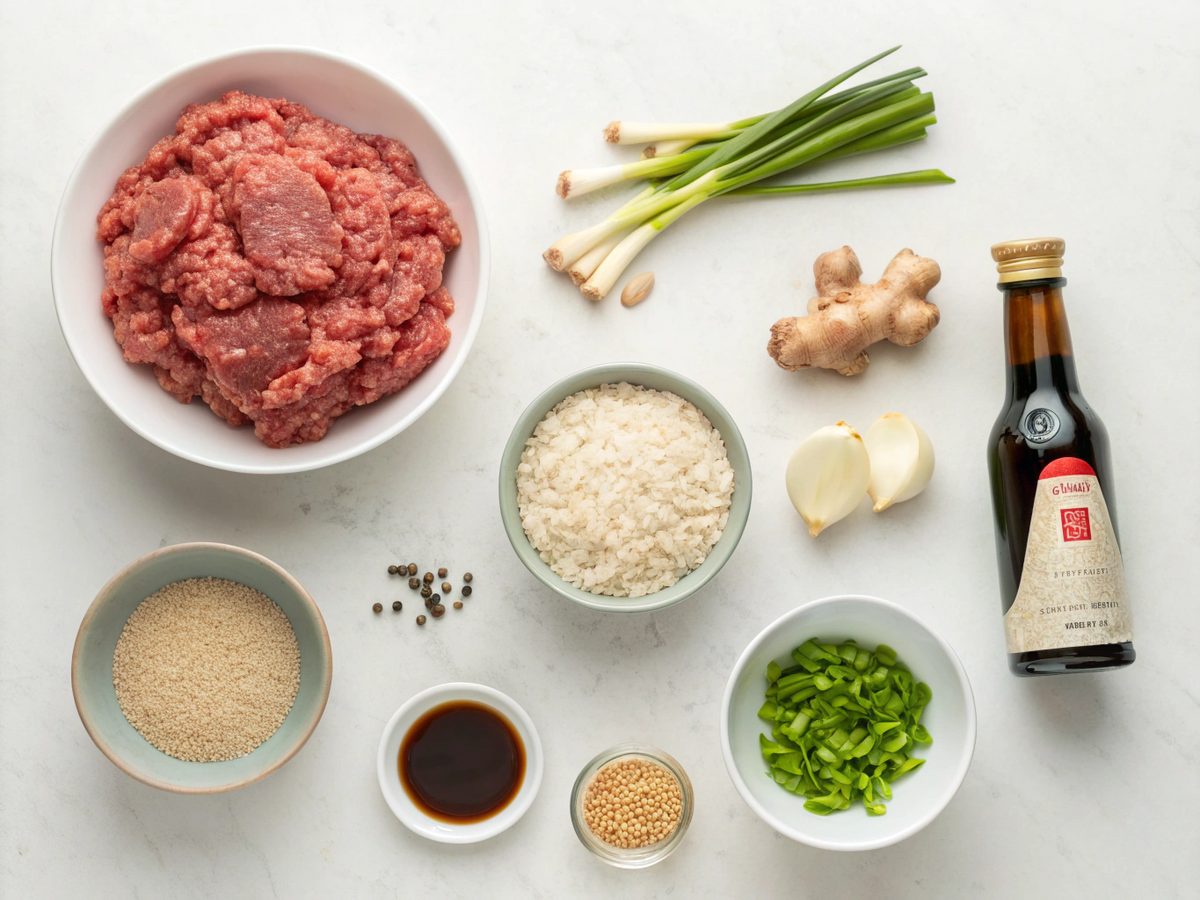
Equipments
- Large skillet or wok
- Mixing bowls
- Measuring spoons
- Wooden spatula
- Rice cooker or pot
How to Make Korean Beef Bowl – Step By Step
Step 1: Gather Ingredients
Begin by assembling all the necessary ingredients. This includes gathering your beef, chopped vegetables, soy sauce, sesame oil, and any other flavorings you’re using. Having everything prepared and measured before starting can make the cooking process smooth and enjoyable.
Step 2: Prepare the Rice
Cook your choice of rice based on package instructions. Whether you are using white rice, brown rice, or jasmine, having it perfectly cooked and ready to pair with the flavorful beef is crucial for balancing the dish. Using a rice cooker simplifies this process and ensures your rice is fluffy and moist.
Step 3: Saute the Beef
In a large skillet or wok, add your oil over medium-high heat. Once hot, add the ground beef or slices of steak, cooking until browned. The sizzling meat will fill your kitchen with an irresistible aroma. Keep stirring regularly so that it cooks evenly, breaking apart any large pieces if using ground beef.
Step 4: Add Flavorful Ingredients
Incorporate soy sauce, sesame oil, garlic, and ginger into the beef. Stir everything well, allowing the flavors to meld together beautifully as they coat the meat. These ingredients infuse savory and aromatic notes, creating a rich depth of flavor characteristic of Korean cuisine.
Step 5: Mix in Vegetables
Once the beef is fully cooked, toss in your choice of vegetables such as sliced bell peppers, carrots, and spinach. These not only add color and nutrition but also offer a contrasting texture to the tender meat. Stir-fry until the veggies are crisp-tender, about 3-4 minutes.
Step 6: Assemble the Bowl
To assemble your Korean Beef Bowl, start by layering rice at the bottom of each bowl. Top the rice with a generous helping of the beef and vegetable mixture. For a pop of freshness, garnish with sliced green onions and sesame seeds. Serve hot and enjoy the delightful meld of flavors in every bite.
How to Serve Korean Beef Bowl
Serving your Korean Beef Bowl is all about presentation. Use deep bowls to hold all the glorious ingredients. A sprinkle of freshly chopped scallions and a dash of sesame seeds on top can elevate the visual appeal and add a fresh crunch with every mouthful. Don’t forget, a wedge of lime on the side can offer a zesty complement, lifting the savory notes.
Recipe Success Tips & Suggestions
To make your Korean Beef Bowl even more delightful, consider marinating your beef ahead of time for extra flavor. Experiment with adding a fried egg on top for a traditional twist. Additionally, feel free to spice it up with a drizzle of Sriracha or some gochujang for those who prefer a kick in their meals.
Packed with Protein: A High Protein Twist on the Classic
If you’re looking to turn your Korean Beef Bowl into a high-protein meal, consider switching out regular ground beef for a leaner option, such as turkey or bison. Alternatively, adding additional protein sources like tofu or edamame can boost your nutritional intake while maintaining that iconic taste.
Opt for quinoa instead of rice for a punch more protein per serving. Embellish your bowl with more nutrient-dense toppings, like roasted chickpeas or a dollop of cottage cheese, for a wholesome, satiating meal that’s perfect for a protein-packed diet.
Light & Flavorful: A Low-Carb Korean Beef Bowl
To transform this dish into a low-carb marvel, swap the rice for a bed of cauliflower rice or lettuce wraps for a refreshing crunch. Consider using sugar substitutes like erythritol in your sauce blend to maintain the sweet and savory balance without the extra carbs.
By doubling the vegetables and reducing the amount of beef, you create a lighter version of this classic dish that remains flavorful and satisfying. Add a splash of vinegar to brighten the dish and aid in balancing the heavier flavors, making this an ideal choice for those watching their carb intake.
Storage Instructions
If you have any leftovers, simply store them in an airtight container and refrigerate for up to three days. When you’re ready to indulge again, the flavors will have melded even more, creating an even richer dish. Reheat on the stovetop or in a microwave, adding a splash of water to retain moisture during the process of reheating.
FAQs
Can I make this recipe vegetarian? Absolutely, simply swap out the beef for tofu or a plant-based alternative like seitan or tempeh.
What are some suitable side dishes? Kimchi, steamed dumplings, or a tangy cucumber salad pair beautifully with this dish.
Can I use frozen vegetables? Yes, frozen vegetables can be a convenient substitute and work just as well, though they may require a bit longer to cook.
How can I make it spicier? Adding more garlic or incorporating gochujang (Korean chili paste) into your sauce mix can add extra spice to your bowl.
What alternatives could I use for soy sauce? Try coconut aminos as a great soy-free alternative, which is slightly less salty and has a hint of sweetness.
"faqOfArticlePost": [{"question": "Can I make this recipe vegetarian?","answer": "Absolutely, simply swap out the beef for tofu or a plant-based alternative like seitan or tempeh."},{"question": "What are some suitable side dishes?","answer": "Kimchi, steamed dumplings, or a tangy cucumber salad pair beautifully with this dish."},{"question": "Can I use frozen vegetables?","answer": "Yes, frozen vegetables can be a convenient substitute and work just as well, though they may require a bit longer to cook."},{"question": "How can I make it spicier?","answer": "Adding more garlic or incorporating gochujang (Korean chili paste) into your sauce mix can add extra spice to your bowl."},{"question": "What alternatives could I use for soy sauce?","answer": "Try coconut aminos as a great soy-free alternative, which is slightly less salty and has a hint of sweetness."}]Your Culinary Adventure Awaits!
Thank you for joining us in crafting this delightful Korean Beef Bowl. We hope it transports you to the vibrant streets of Korea with every bite. If you enjoyed this recipe, please share it with fellow food lovers, leave a comment below sharing your thoughts and personal twists, or rate it to let us know how it went. Happy cooking!
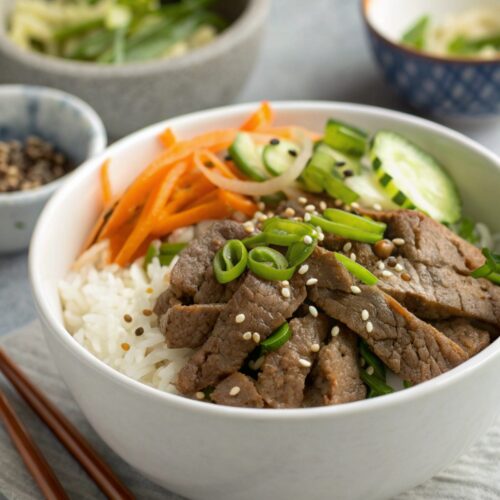
Korean Beef Bowl
Ingredients
Main Ingredients
- ground beef
- soy sauce
- sesame oil
- garlic cloves
- ginger
- white rice
- green onion
- sesame seeds
Instructions
Steps
- Gather all the necessary ingredients.
- Cook the rice according to package instructions.
- In a large skillet, heat oil and brown the ground beef.
- Add soy sauce, sesame oil, garlic, and ginger to the beef. Stir well to combine.
- Add vegetables to the skillet and stir-fry until tender.
- Assemble the bowl by layering rice and topping it with beef and vegetables.
- Garnish with green onions and sesame seeds.